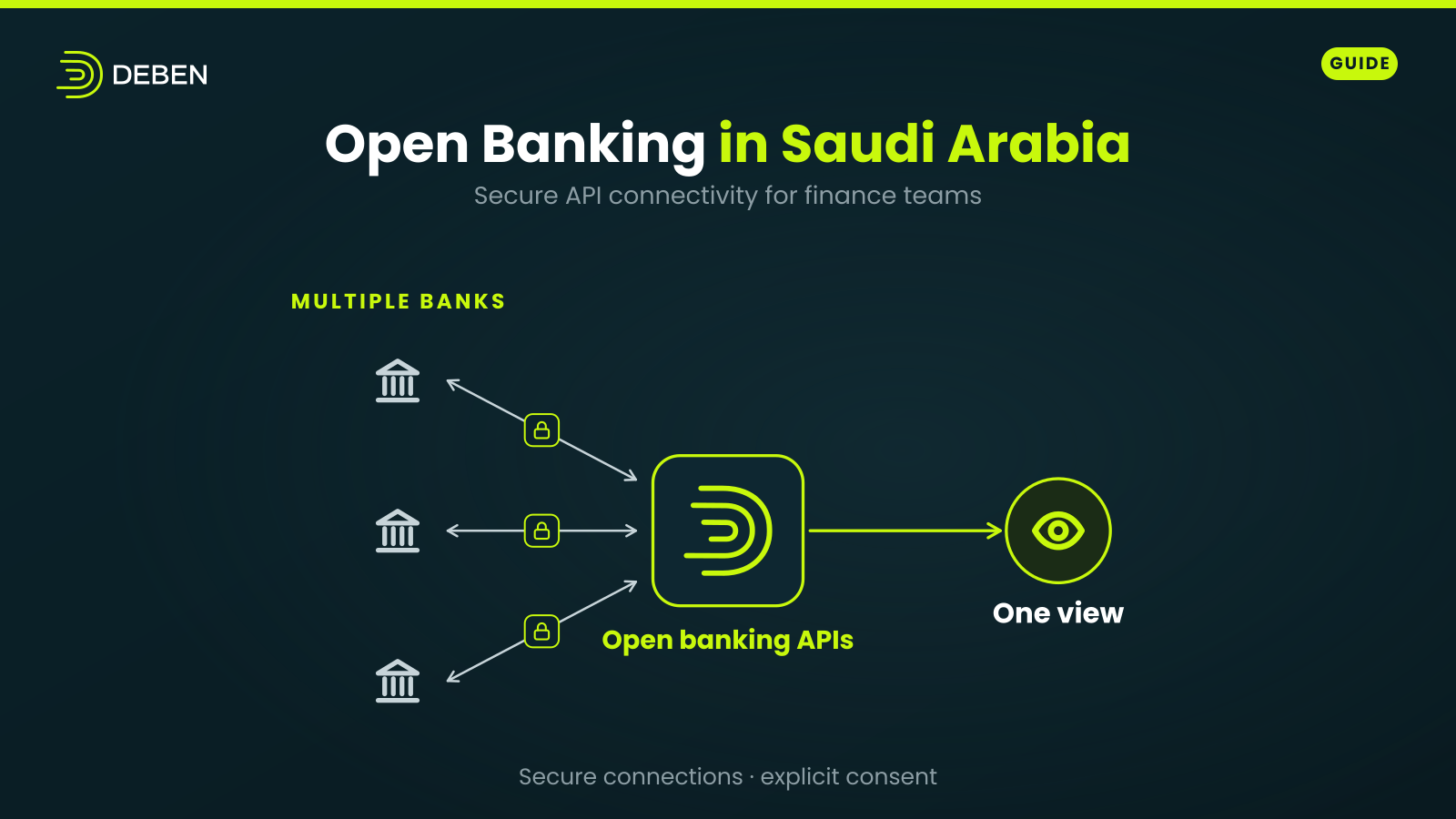
Bank reconciliation remains one of the most time-consuming tasks in finance. Here is how Saudi and GCC finance teams are automating it with a more modern approach.
Bank reconciliation is the process of matching transactions in your ERP or accounting system against your bank statements to ensure records are accurate. It is a core financial control that helps identify errors, strengthen oversight, and maintain confidence in reported numbers.
For many finance teams, reconciliation is still handled manually in Excel. Statements are downloaded from multiple bank portals, copied into spreadsheets, and matched line by line. As transaction volumes grow, this process becomes slow, repetitive, and exposed to error.
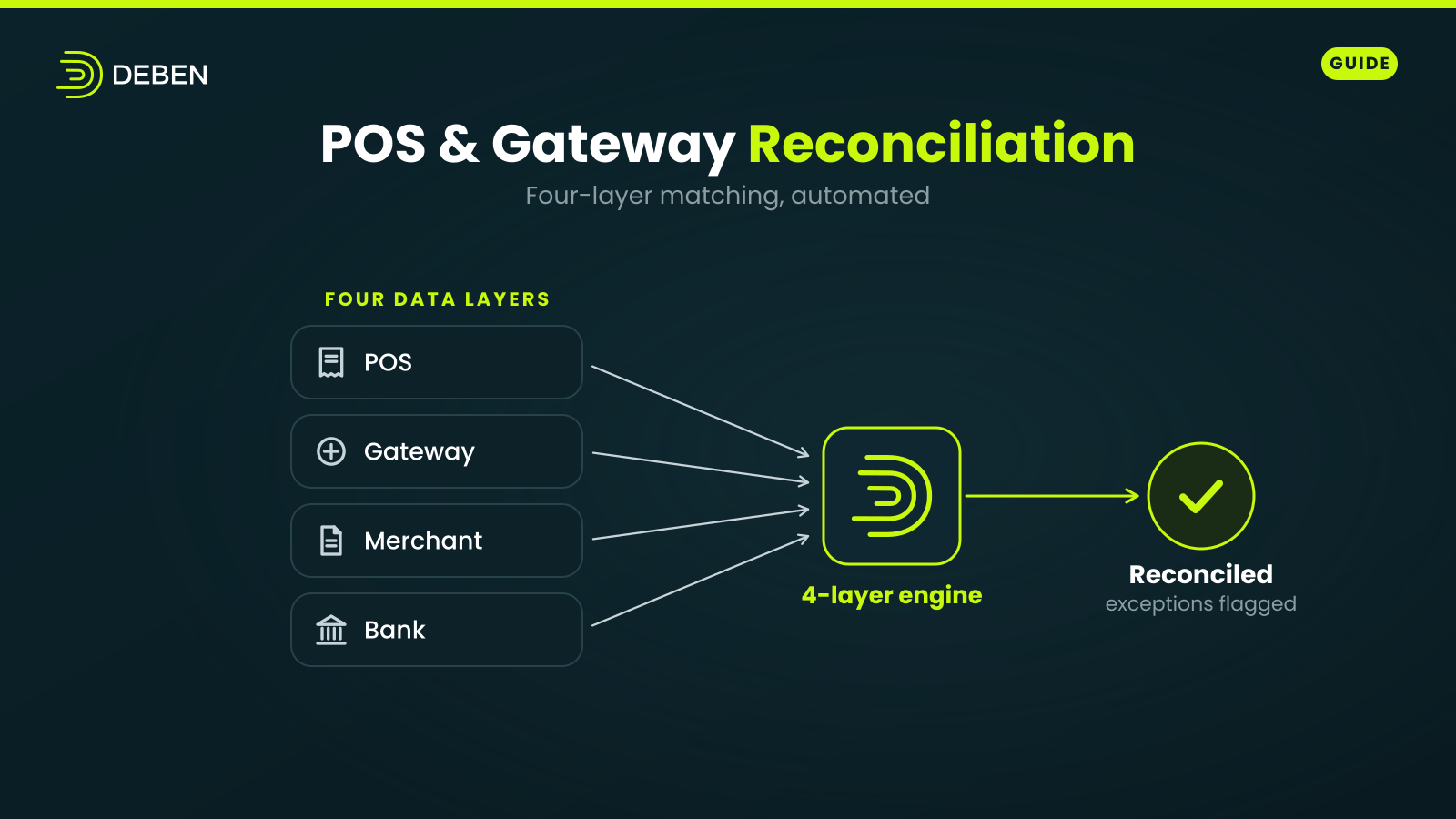
Automated reconciliation connects directly to bank accounts, pulls transaction data into one platform, and applies matching rules across amounts, dates, references, and descriptions. Transactions that match are cleared automatically, while exceptions are flagged for review.
Automation reduces manual effort, shortens close cycles, improves accuracy, and creates a stronger audit trail. For finance teams, that means less time spent on repetitive work and more time focused on control and decision-making.
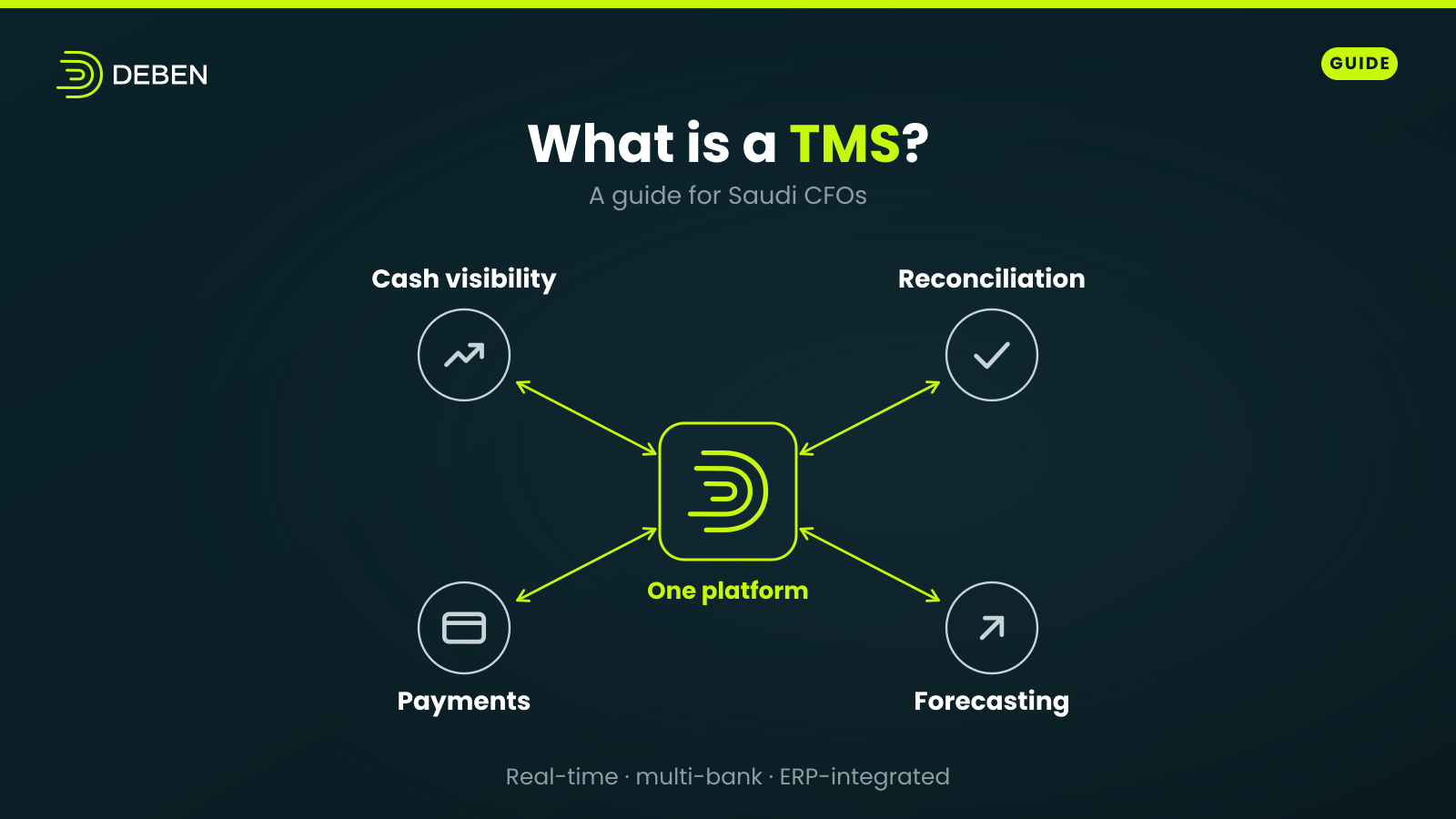
In Saudi Arabia and the GCC, effective reconciliation depends on reliable bank connectivity, support for multi-bank environments, multi-currency handling, and integration with ERP systems such as SAP and Oracle. Deben is built with these requirements in mind.
Automating bank reconciliation is no longer a nice improvement. It is becoming a practical necessity for finance teams that want stronger control, faster close cycles, and less operational friction. Deben offers a more efficient and modern way to manage reconciliation at scale.